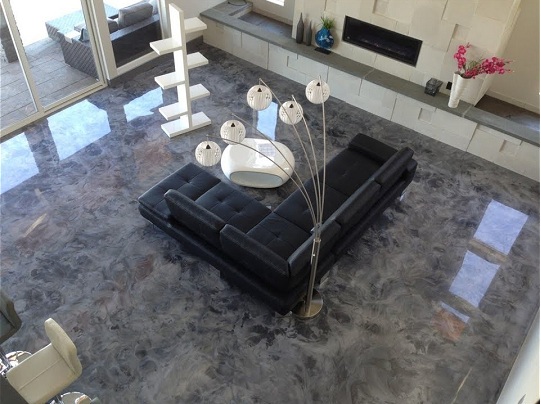
Winter in Chicago can be unforgiving not only in your driveway but also on your concrete garage flooring. You may think that it is unnecessary to winterize the garage floor since it is indoors. However, it is still prone to snow and deicers. When you drive your car around, it picks up bits and pieces of deicing salts, chemicals, and snow. Some stay attached until you make it into the garage. The snow melts and the deicers get detached, giving them the opportunity to wreak havoc on your garage floor. Fortunately, there are ways you can winterize the floor in the garage before the winter season kicks in.
 Step 1: Clean the Concrete Floor
First, clean the concrete floor. Sweep thoroughly to remove dust and loose dirt. If it already has salt stains, make a solution out of warm water, soap and a little vinegar. Pour a bit of solution on the stain and brush it with a stiff brush until the stain lightens or fades. Rinse the area thoroughly with water and a mop, making sure that the salt stain solution won’t leave any trace of residue.
 Step 2: Repair Damages
Inspect the floor to check for cracks or holes. Clean them out and use an epoxy filler to fix them. Do not patch with cement. While it looks like it fills them in and covers them up, it is only temporary and may break away eventually. To ensure durable solutions, hire a licensed contractor to make the necessary repairs.
 Step 3: Apply an Epoxy Garage Floor Coating
Epoxy coating is a two-part material that is highly used on garage floors. It is tough and resistant to most types of damages. It is a seamless barrier that keeps snow, water, and deicers on the surface. It is highly recommended to apply this coating in warmer temperature, not when the cold weather can already be felt. Give the epoxy coating ample time to dry before using the garage floor. This will make sure that the coating has adhered well to the concrete floor and achieved optimum curing time.
An epoxy flooring is enough to keep the garage floor protected from any chemicals or deicers used on public streets and roads. It maintains the form and function of your concrete garage flooring all year round, regardless of the weather. You won’t have to worry about parking your snow-drenched car in the garage without mopping any water off of the floor.
The post 3 Steps on How to Winterize a Garage Flooring appeared first on Chicago Concrete Resurfacing.
source https://www.chicagoconcreteresurfacing.com/3-steps-on-how-to-winterize-garage-flooring/

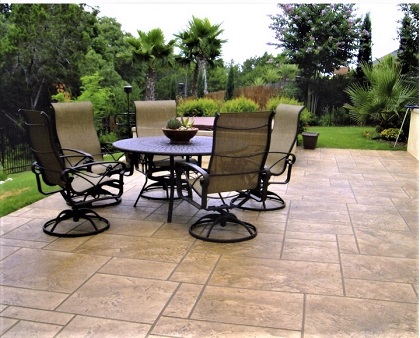 A remodeling project can be very expensive, especially if you want major changes to happen. There is a way to get as much impact at a more affordable cost. Stamped concrete is a type of decorative concrete application that enhances the look of any outdoor concrete surface, such as the patio, pool deck, driveway, walkway, and more. It is affordable yet it yields aesthetics that truly look high-end and expensive. If you are planning an outdoor enhancement project, here notable reasons why stamped concrete is the best choice out there.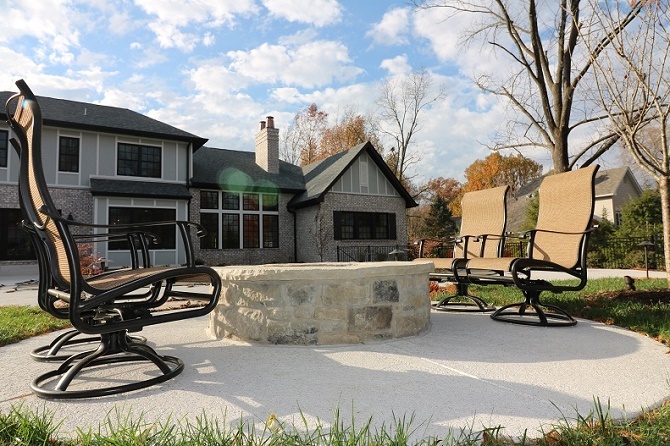
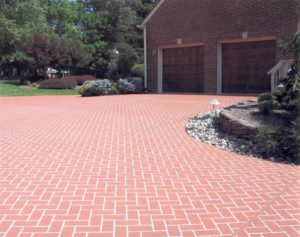 You’ve probably heard stories about people buying what they thought was their dream home only to live a nightmare. The concrete driveway, for example, may look divine as the real estate agent walks you through the entire home, highlighting its good points and commanding you to imagine your future in it. Before you give in to the flowery words and the illusion of a good drive you will have on that concrete driveway, watch out for the following red flags:
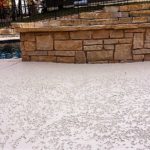 For decks with cracking, spalling, and scaling, resurfacing is an effective solution. A concrete overlay or coating can be installed on top of the worn out deck to cover up any signs of crack filling and any other blemishes that make the surface unsightly. The great thing about resurfacing is that it restores the existing pool deck while improving its form and function. The most popular resurfacing methods for pool decks are concrete stamping and spray knockdown texture. Both of these overlays provide slip-resistance that makes the deck a lot safer to walk on even when wet.
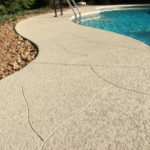 Working cracks are cracks that recur regardless of how efficient the filling agent is. Such cracks are often caused by moving subgrade or water underneath the slab. No amount of filling could put an end to the reappearance of cracks. The best way to work around this is to disguise the cracks through custom engraving or scoring. It makes the crack look like it is part of the deck’s design while giving it enough room to move without creating new cracks.
 The DIY movement has become popular enough to encourage people to roll up their sleeves and do stuff by themselves. Yes, it can be very cost-efficient but, without enough knowledge or training, it can be an expensive disaster, especially when it comes to home improvement projects. Here are 5 home upgrades that you should just leave to the experts: